Miyawaki Mini-Forest for Small Chennai Plots: Is It Worth It?
A Miyawaki forest in Chennai promises something remarkable: a dense, native, self-sustaining mini-forest grown on a small plot in just a few years. The method, developed by Japanese botanist Akira Miyawaki, has spread across Indian cities as people look for ways to bring back greenery, shade and biodiversity in tight urban spaces. But does it really work on a small Chennai plot, and is it worth the effort? Here is an honest look from our Chennai landscaping team.
What is a Miyawaki mini-forest?
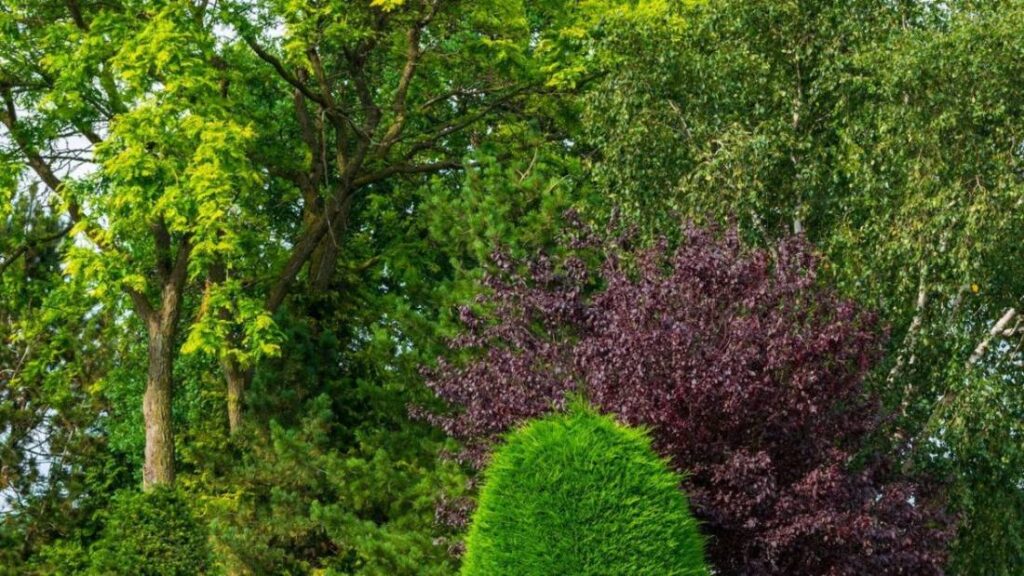
The Miyawaki method grows a forest the way nature would, only much faster. Native trees and shrubs are planted very densely, three to five saplings per square metre, in soil that has been deeply prepared and enriched. Because the plants compete for light, they grow upward quickly, and because they are all local species, they support each other and the local wildlife. Within two to three years the planting closes into a layered mini-forest with a canopy, understorey and ground layer, and after that it largely looks after itself.
Does a Miyawaki forest work in Chennai?
Yes, and Chennai is actually a good candidate. The city already has a wealth of hardy native trees suited to heat and coastal conditions, and the northeast monsoon gives young saplings a strong start if they are planted at the right time. The key is choosing species that belong to this region rather than ornamental exotics. Planted just before the monsoon, a Chennai Miyawaki patch establishes fast and needs heavy watering only for the first couple of years, after which the dense canopy holds its own moisture and shades out weeds.
Benefits of a Miyawaki mini-forest for a small Chennai plot
- Cooling: a dense green patch noticeably lowers the temperature around it, welcome relief in a hot city.
- Biodiversity: native trees draw birds, butterflies and pollinators back into the neighbourhood.
- Fast growth: the forest matures far quicker than conventional planting.
- Privacy and screening: the layered canopy makes a natural green wall.
- Low long-term care: once established, it is largely self-sustaining.
- Cleaner air and better soil: the dense planting traps dust and rebuilds the ground.
How much space do you need?
Less than most people think. While large Miyawaki forests cover thousands of square feet, the same principles work on a patch as small as a hundred square feet in a home garden or the corner of a plot. Even a narrow strip along a boundary wall can become a green screen. The method is about density and native diversity, not sheer size, which is exactly why it suits space-starved Chennai homes.
What it involves and what it costs
A Miyawaki planting is more work upfront than a normal garden but far less afterwards. The process runs roughly like this: the soil is dug out and enriched with compost, cocopeat and organic material; a mix of native saplings is planted densely; the patch is mulched and watered heavily for the first two to three years; and then it is left to grow. The main costs are the soil preparation, the saplings and the early watering. There is no single fixed price, it depends on the size of the plot, the condition of your soil and how many species you use, so the honest approach is to plan the plot first and cost it from there. What you are really buying is a forest that keeps giving for decades.
Native species that suit a Chennai Miyawaki
Choosing regional species is the heart of the method. Trees and shrubs that do well in and around Chennai include neem (vembu), pungai (Indian beech), naval (jamun), magizham, iluppai, portia (poovarasu), vagai, and flowering natives that draw pollinators. A good mix spans tall canopy trees, medium trees, shrubs and ground cover so every layer of the forest is filled. Our guide to native plants for a Chennai garden is a useful starting point for species that thrive here with little water.
The honest verdict: is a Miyawaki forest worth it?
For the right person, absolutely. If you want cooling, birdsong, privacy and a genuinely green patch that becomes low-maintenance once established, a Miyawaki mini-forest delivers all of it faster than anything else. The trade-off is the commitment in the first two to three years: careful soil preparation, dense planting and regular watering while the forest finds its feet. It is also a wild, natural look rather than a manicured lawn, so it suits a boundary, a corner or a screen more than a formal front garden. If you are ready for that early effort, it is one of the most rewarding things you can do with a small Chennai plot. If you want an instant, tidy garden with minimal setup, a conventional low-maintenance garden may suit you better.
Getting the timing and planting right
Timing makes or breaks a Miyawaki patch. Plant just before or at the start of the northeast monsoon so the saplings get weeks of free rain to establish, which is the same reason the season is the best time to start any garden in Chennai. Prepare the soil thoroughly, plant densely, mulch well, and resist the urge to thin the saplings out, the crowding is what drives the fast upward growth. For more on the science behind it, this overview of the Miyawaki method is worth a read.
Common mistakes to avoid
- Using ornamental exotics instead of native species, which breaks the whole method.
- Skimping on soil preparation, so growth stalls.
- Planting too sparsely, which removes the competition that drives fast growth.
- Giving up on watering during the first two years before the forest is self-sufficient.
Bring a mini-forest to your plot
A Miyawaki mini-forest is one of the boldest, greenest choices a Chennai homeowner can make. If you would like help planning and planting one on your plot, explore our landscaping services or contact our Chennai team for a site assessment.
Need expert help? Win Landscape offers professional residential landscaping and home gardening services in Chennai, along with complete landscaping services across the city. Book a free site visit to discuss your garden.
Frequently asked questions
Can I grow a Miyawaki forest on a small plot in Chennai?
Yes. The method works on patches as small as a hundred square feet or a narrow boundary strip, since it relies on dense native planting rather than large area.
How long does a Miyawaki forest take to grow?
It closes into a layered mini-forest in about two to three years, after which it becomes largely self-sustaining.
Does a Miyawaki forest need a lot of water?
Only in the first two to three years while it establishes. Once the canopy closes it holds its own moisture and needs very little extra watering.