Vastu-Friendly Plant Placement for Chennai Homes
Vastu plants for the home have long been part of Indian living, and many Chennai families like to choose and place their greenery in keeping with Vastu tradition. Whether you follow Vastu closely or simply enjoy the sense of harmony it brings, the good news is that most Vastu-friendly plants are also genuinely well suited to the Chennai climate. This guide from our landscaping team explains which plants tradition favours and where it suggests placing them.
A quick note first: Vastu is a traditional belief system rather than a science, so treat these as time-honoured guidelines to enjoy rather than strict rules. Pleasingly, most of them line up neatly with good gardening sense.
Why plant placement matters in Vastu
In Vastu tradition, plants are seen as living sources of positive energy that can influence the feel of a home. The idea is that the right plant in the right direction encourages calm, prosperity and good health, while poorly placed or unhealthy plants are thought to do the opposite. Even setting belief aside, the underlying advice, keep plants healthy, put light-loving plants where there is light, and do not block doorways, is simply good gardening.
Auspicious Vastu plants for a Chennai home
These plants are considered especially favourable in Vastu and thrive in Chennai:
- Tulsi (holy basil): the most revered of all, traditionally placed in the north or east, and wonderfully suited to our climate.
- Money plant: associated with prosperity, easy to grow indoors and on balconies.
- Lucky bamboo: a symbol of growth and good fortune.
- Neem: valued for purifying the air and considered auspicious in the right spot.
- Jasmine (malli): its fragrance is linked with calm and positivity.
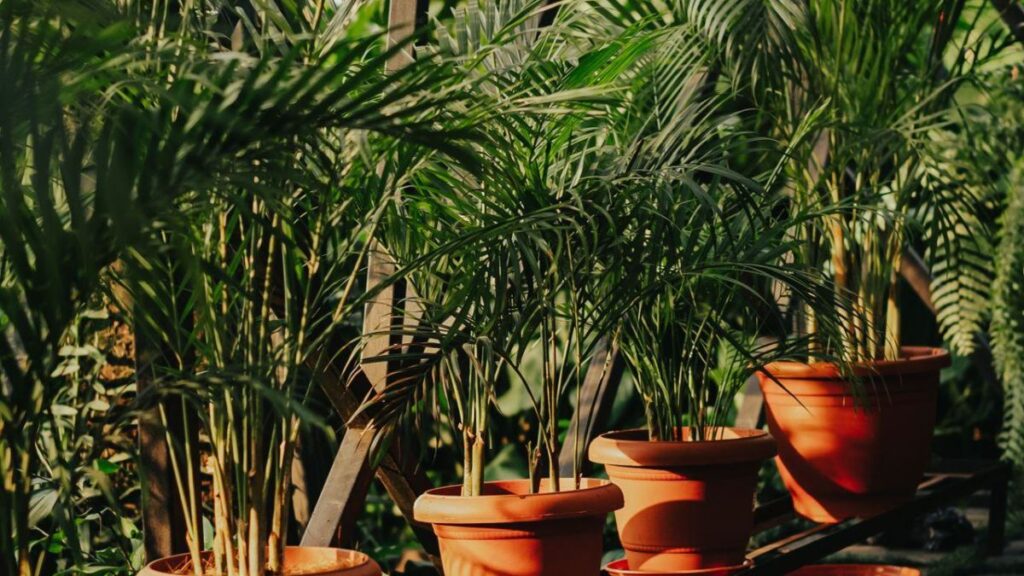
- Banana and areca palm: traditionally seen as prosperous, and excellent green screens.
- Lotus and flowering plants: associated with purity and beauty.
Where to place plants, direction by direction
Vastu tradition links each direction with certain plant choices:
- East and north: keep these lighter and more open, with small potted plants, tulsi and flowering plants that let in the morning light.
- South and west: traditionally suited to taller, heavier and larger plants and trees.
- South-east: a favoured spot for the tulsi in many homes.
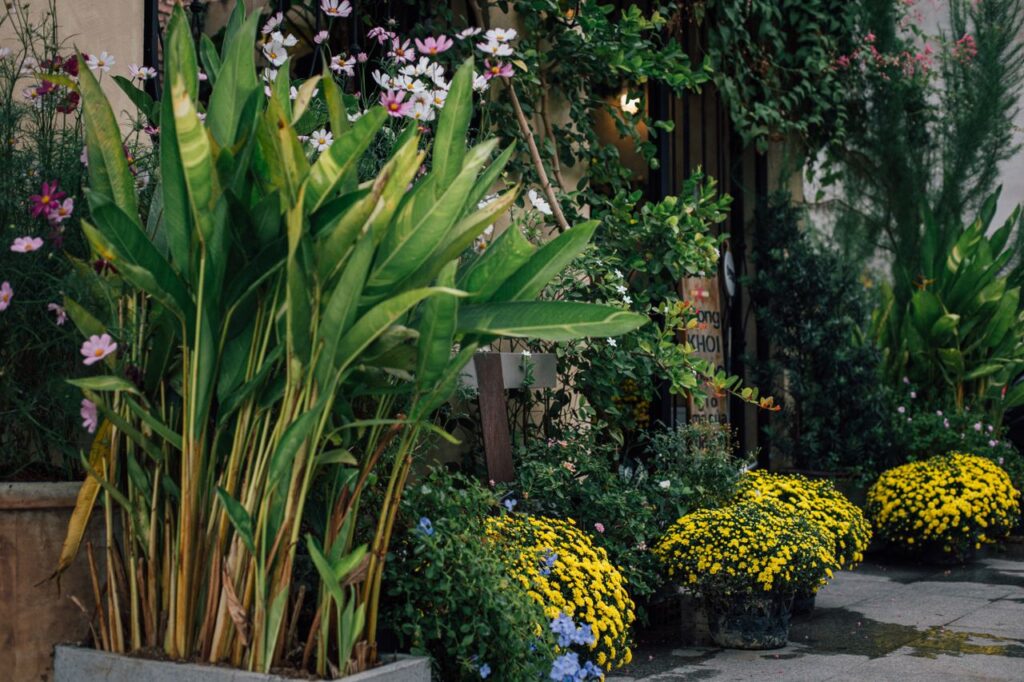
- Entrance: a pair of healthy, well-kept plants flanking the door is considered welcoming, as long as they do not block the path.
Plants Vastu tradition suggests avoiding indoors
Some plants are traditionally kept out of the main living areas. Thorny plants such as cactus are often avoided indoors in Vastu belief, though a rose bush in the garden is considered an exception because of its flowers. Bonsai, being deliberately stunted, is sometimes discouraged inside the home, and dead or dying plants are always best removed promptly. Whatever your beliefs, keeping only healthy, thriving plants indoors is sound advice in any case.
Vastu plant tips for apartments and balconies
Apartment living fits Vastu plant ideas neatly. Keep a small tulsi where it gets morning sun, place a money plant in a bright indoor corner, and use taller potted plants and screens on the heavier south and west sides of a balcony garden. Choose flowering plants for colour and positivity near seating areas, and favour native plants that stay healthy easily, since a thriving plant is central to the whole idea.
Keeping Vastu plants healthy
In Vastu thinking, a healthy plant carries positive energy and a neglected one does the opposite, so care matters as much as placement. Water in the cool mornings, give each plant the light it needs, remove yellowing leaves promptly, and repot when roots outgrow the container. A little regular attention keeps your plants both beautiful and, in the traditional view, auspicious.
Balancing Vastu beliefs with a modern Chennai home
Many Chennai families today live in apartments and compact homes where following every Vastu placement rule to the letter is simply not possible, and that is perfectly fine. Vastu was always meant as guidance towards a calm, well-ordered, healthy living space, not a rigid checklist that causes stress. The sensible approach is to take the ideas that fit your home and let them sit alongside good, practical gardening. If a bright corner happens to face the direction tradition favours for a money plant, wonderful; if it does not, put the plant where it will actually flourish, because a healthy plant is what the tradition values most in the first place. Keep the entrance welcoming and uncluttered, place fragrant and flowering plants where you spend time so you enjoy them daily, and give every plant the light, water and space it needs. Choose species suited to the Chennai heat and coastal air so they stay green and vigorous with little effort. Done this way, a Vastu-inspired garden feels harmonious not because of any single rule, but because it is healthy, thoughtfully arranged and genuinely cared for. That blend of tradition and common sense is what makes a home feel balanced, whichever beliefs you hold.
Common mistakes to avoid
- Keeping dead or wilting plants, which tradition sees as inauspicious and which simply look unloved.
- Placing sun-loving plants in dark corners, where they weaken whatever the direction.
- Blocking the main entrance with pots.
- Following placement rules so strictly that a plant is put where it cannot survive.
Blend tradition with good design
Vastu-friendly plants let you honour tradition and enjoy a healthier, greener home at the same time. If you would like a garden or balcony designed around your preferences, whether that includes Vastu principles or simply beautiful, climate-suited planting, explore our landscaping services or contact our Chennai team. For the background to the tradition itself, see this overview of Vastu shastra.
Need expert help? Win Landscape offers professional residential landscaping and home gardening services in Chennai, along with complete landscaping services across the city. Book a free site visit to discuss your garden.
Frequently asked questions
Which plants are considered lucky in Vastu?
Tulsi, money plant, lucky bamboo, jasmine and areca palm are among the most auspicious in Vastu tradition, and all grow well in Chennai.
Where should I place tulsi according to Vastu?
Tulsi is traditionally placed in the north, east or south-east where it gets morning sun, which also happens to be where it grows best.
Are cactus plants bad for the home in Vastu?
Thorny plants such as cactus are traditionally avoided indoors in Vastu belief. If you love them, they are usually kept outdoors instead.