Hard vs Soft Landscaping: What Chennai Homeowners Should Know
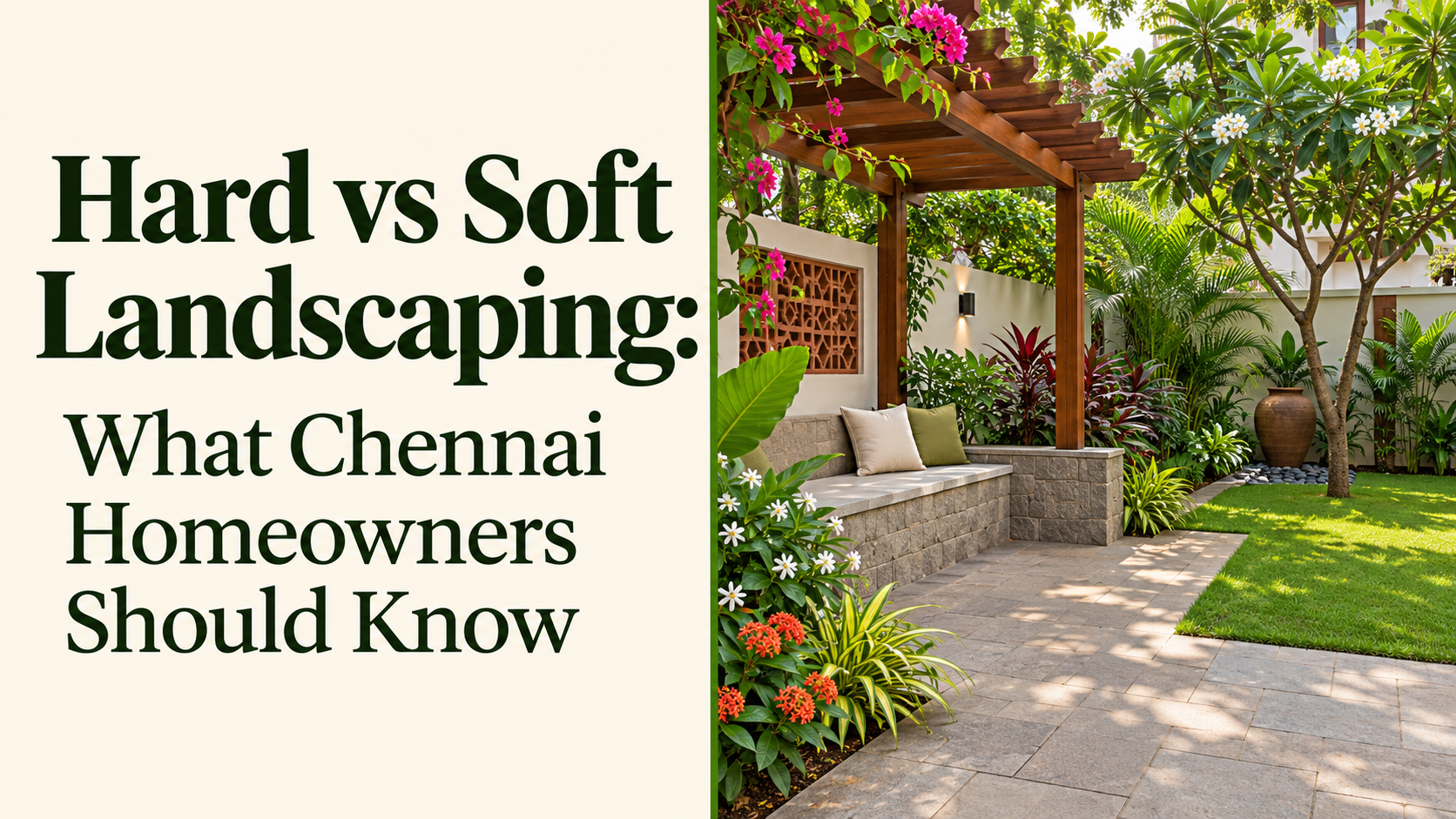
Hard landscaping covers the built, non-living parts of a garden: paths, paving, patios, steps, walls, pergolas, edging and water features. Soft landscaping covers the living parts: lawns, trees, shrubs, flowers and groundcovers. Every successful garden balances the two, and in Chennai the balance matters even more because of heat, heavy rain and water scarcity.
This guide from Win Landscape explains the difference between hard landscaping and soft landscaping, how each behaves in Chennai’s climate, and how to plan the right mix for your home.
What is hard landscaping?
Hard landscaping, also called hardscape, gives a garden its structure. It defines where people walk, sit and gather, and it holds soil and water in place. Common elements include:
- Paved driveways, walkways and stepping-stone paths
- Patios, decks and sit-out areas
- Retaining walls, raised planters and seating walls
- Pergolas, gazebos and shade structures
- Steps, edging and kerbs
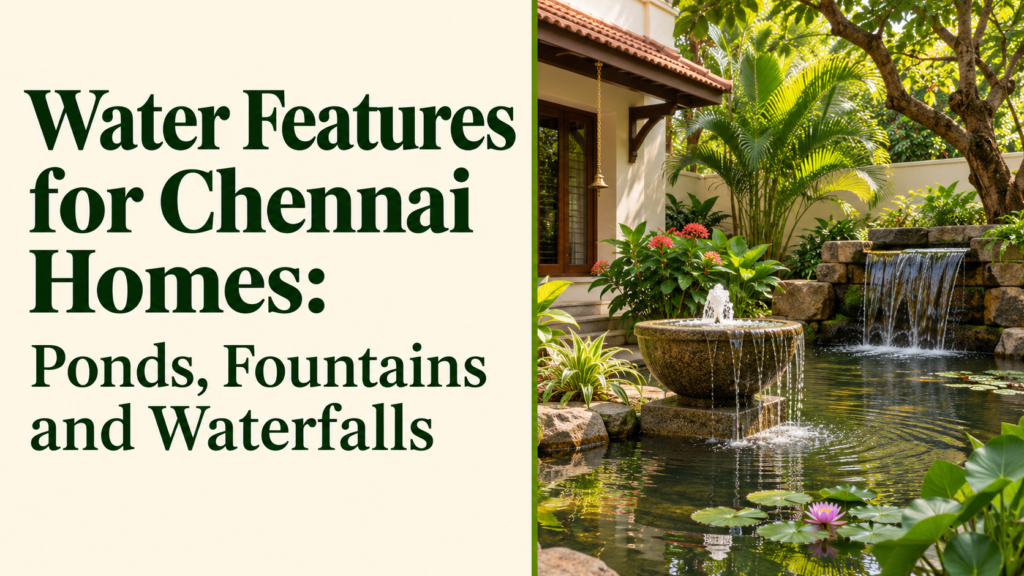
- Fountains, ponds and water walls
- Drainage channels and soak pits
What is soft landscaping?
Soft landscaping is everything that grows. It brings colour, shade, texture, scent and seasonal change. It includes:
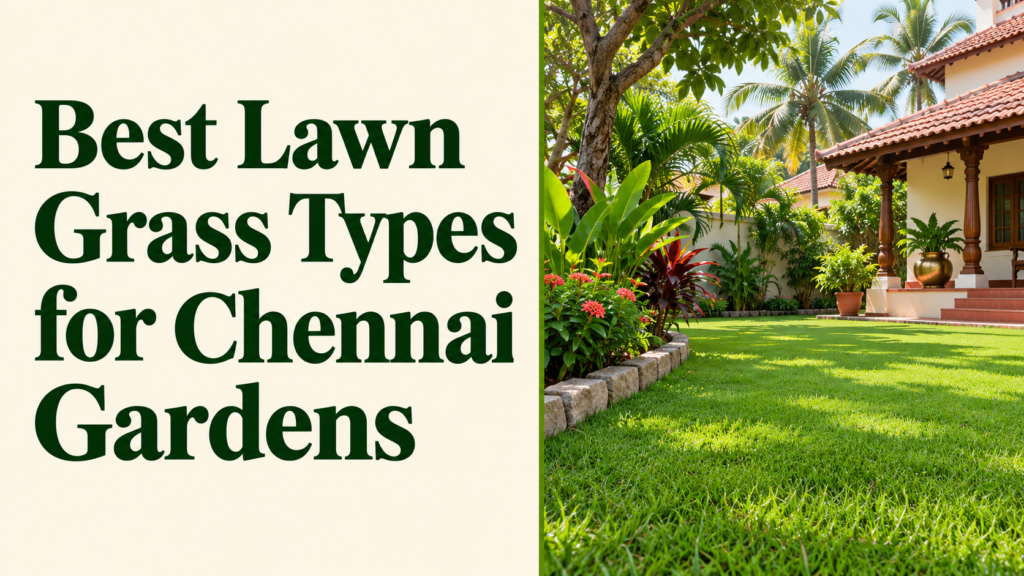
- Lawns and groundcovers
- Trees and palms
- Shrubs, hedges and climbers
- Flowering beds and borders
- Kitchen gardens, herbs and vertical gardens
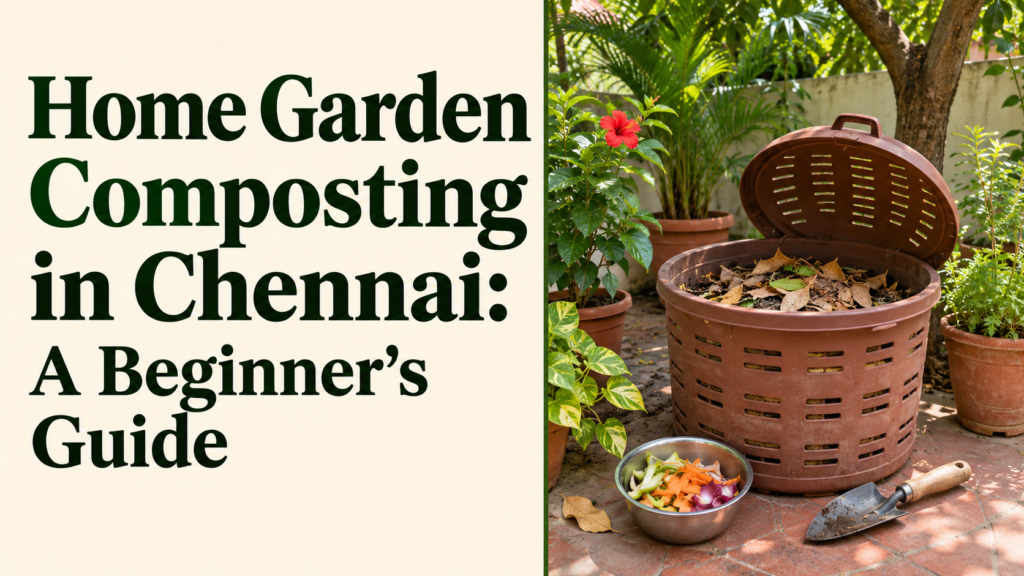
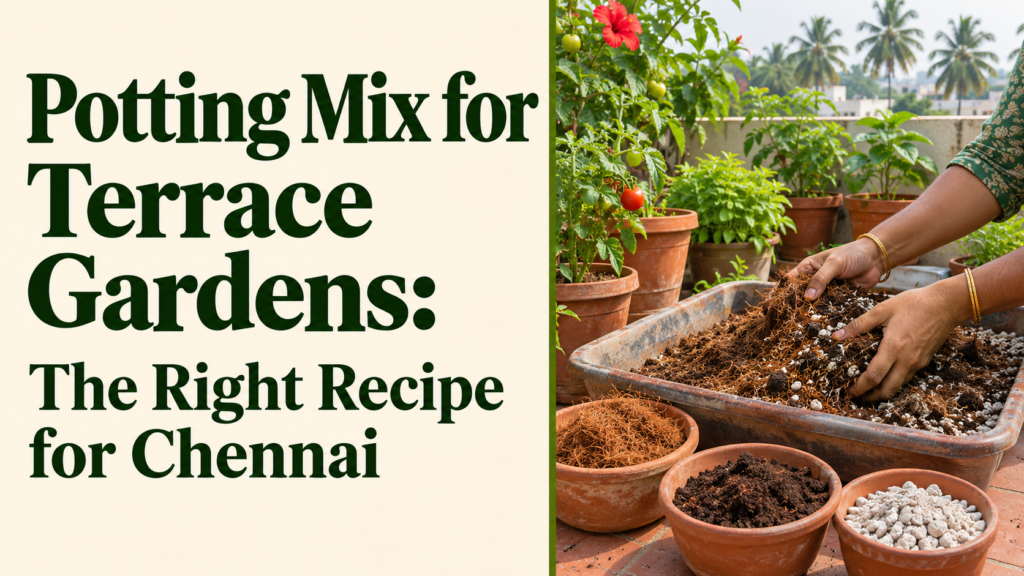
- Soil, compost and mulch that support plant growth
Hard landscaping vs soft landscaping: key differences
Purpose
Hard landscaping provides structure, access and durability. Soft landscaping provides life, cooling and visual softness.
Maintenance
Hardscape needs occasional cleaning, sealing and repair. Plants need regular watering, pruning, feeding and pest checks.
Cost pattern
Hard landscaping usually needs a larger initial spend for materials and labour, but lasts many years. Soft landscaping can start smaller, but involves ongoing care. Exact costs depend on materials, area and site conditions, which is why we quote after a site visit.
Effect on temperature
Large areas of stone and concrete absorb heat and radiate it back in the evening. Plants, lawns and trees cool the air through shade and transpiration. In Chennai’s heat, too much hardscape can make outdoor spaces uncomfortable.
Water behaviour
Hard surfaces shed rainwater, so they need correct slopes and drainage. Planted areas absorb water and help recharge the ground.
Hard landscaping in Chennai’s climate
Good hard landscaping in Chennai must cope with intense sun, monsoon downpours and, near the coast, salty air. Some practical points:
- Slip resistance: choose textured or matt finishes for paths and pool decks that get wet during the monsoon.
- Heat: lighter-coloured stone stays cooler underfoot than dark granite in full sun.
- Drainage: paving must slope away from buildings, and water should be directed to beds, soak pits or drains.
- Base preparation: clay soils move when wet and dry, so a well-compacted base prevents sinking and cracking.
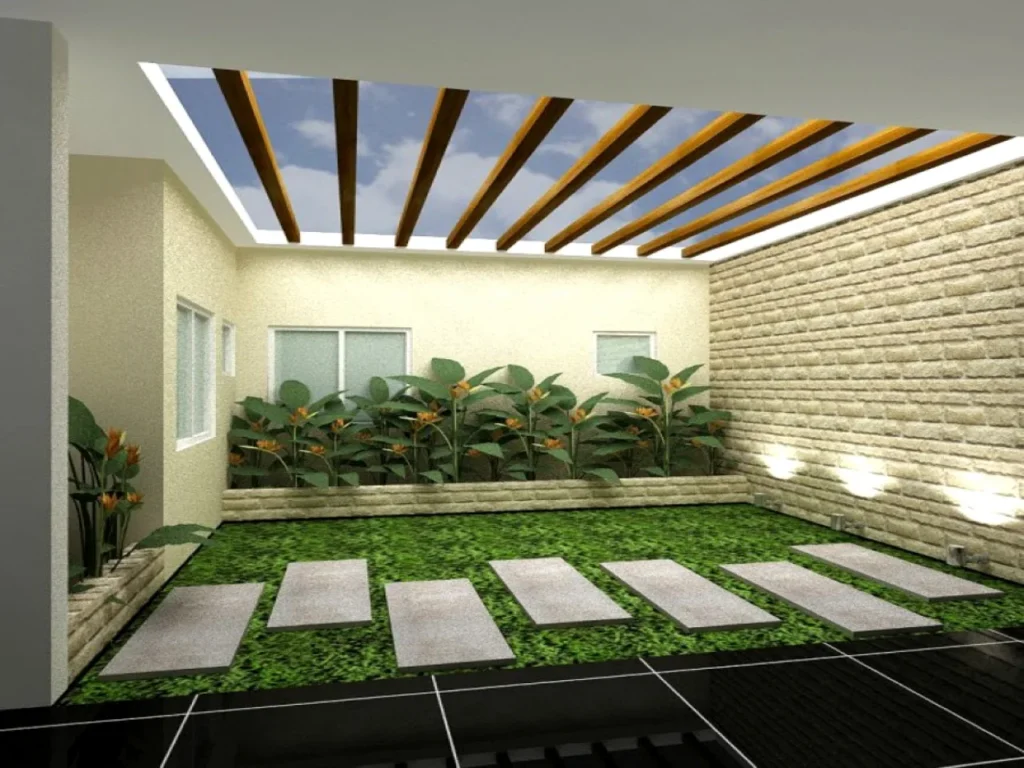
- Permeable options: gravel, grass pavers and gaps between stepping stones let rainwater soak in.
- Coastal sites: use materials and fixings that resist salt corrosion.
For more on paving choices, see our guide to garden paving in Chennai, and for shade structures read about pergola design for Chennai gardens.
Soft landscaping in Chennai’s climate
Plants must handle heat, humidity, monsoon rain and summer water limits. Native and climate-adapted species usually perform best. Group plants by water need, mulch beds to hold moisture, and use drip irrigation to save water. Our article on native plants for Chennai gardens is a good starting point.
How to balance hard and soft landscaping
There is no single correct ratio, but these principles help:
- Start with how you use the space. Parking, play, entertaining and walking need hard surfaces. Relaxing, privacy and cooling need plants.
- Keep hardscape where it is needed. Paths should follow natural walking lines; avoid paving areas that are rarely used.
- Soften edges. Planting along walls, steps and paving edges reduces heat and makes structures feel part of the garden.
- Add shade. Trees or pergolas over seating areas make them usable in Chennai’s afternoons.
- Plan drainage together. Let water from hard surfaces flow into planted areas wherever possible.
Examples for different homes
- Small independent home: a paved parking strip, a stepping-stone path, a compact lawn or groundcover and a planted boundary.
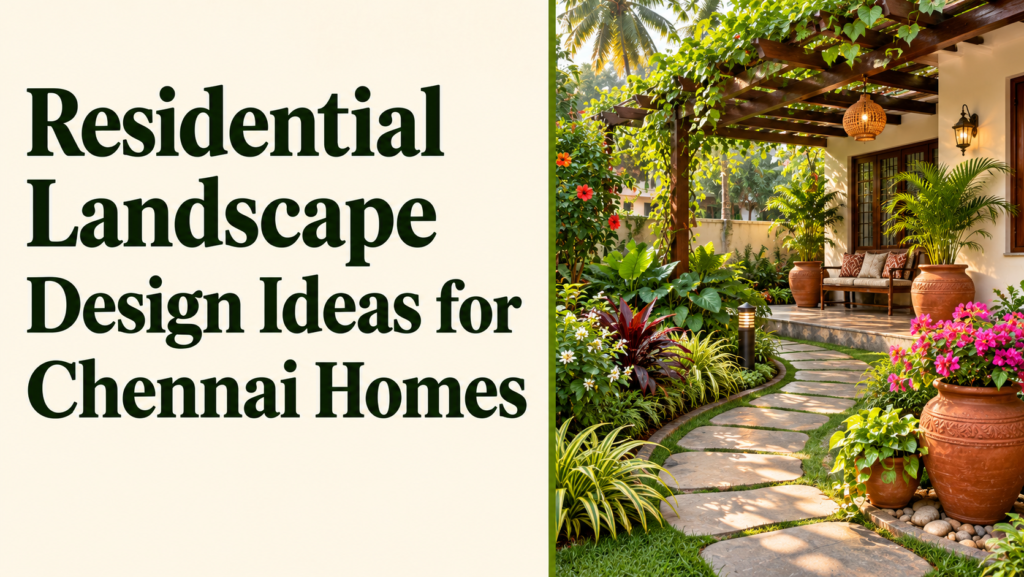
- Villa: a driveway, patio with pergola, a feature water element, a lawn and layered borders with shade trees.
- Terrace: lightweight deck tiles, raised planters, a shade structure and heat-tolerant plants.
- Office or apartment common area: durable walkways and seating with low-maintenance planting.
Hard landscaping materials to consider
The right material depends on how the area will be used, the look you want and the budget. Commonly used options in Chennai include:
- Natural stone such as granite, sandstone and Kota stone, which are durable and suit both traditional and modern homes. Flamed or textured finishes are safer than polished ones outdoors.
- Concrete pavers in many shapes and colours, which are practical for driveways and paths and easy to repair.
- Grass pavers that combine a strong grid with turf or groundcover, useful for parking areas that should still look green.
- Gravel and pebbles for informal paths and drainage zones.
- Timber or composite decking for terraces and pool sides, chosen for weather resistance.
- Metal and timber pergolas with suitable coatings to handle humidity and coastal air.
Looking after hard landscaping
Hard landscaping is lower in day-to-day effort than planting, but it still needs care. Sweep leaves and silt from paving and drain channels, especially before and during the northeast monsoon. Remove moss and algae from shaded paths to keep them safe. Check joints and edges for weeds or movement, and reseal or repaint pergolas and timber when the finish wears. Small repairs done early prevent larger ones later.
Common mistakes
- Paving everything. Large hard areas heat up and send all rainwater to drains.
- Ignoring slopes. Flat paving collects water and becomes slippery or stained.
- Choosing polished stone outdoors. It can be slippery in the monsoon.
- Planting without soil preparation. Plants struggle in compacted clay or construction debris.
- Building hardscape after planting. Construction damages roots; build structure first, then plant.
For a technical overview of the term, see the hardscape article on Wikipedia.
Planning paths, patios or a pergola? Explore our hardscape contractors in Chennai service, see the full range of landscaping services, or contact Win Landscape for a free site visit. Call +91 94448 64732 to discuss your project.
Frequently asked questions
Should hard landscaping be built before planting?
Yes. Building paths, walls and structures first avoids damaging plants and roots, and lets soil and drainage be prepared correctly afterwards.
Which paving is best for Chennai?
Textured, light-coloured and slip-resistant materials with a well-compacted base usually perform well. The right choice depends on use, budget and style.
Can hard landscaping help with monsoon drainage?
Yes. Correct slopes, channels, soak pits and permeable surfaces help move and absorb rainwater, reducing waterlogging.